Quick answer
A market stall business loan funds the things a stallholder needs to grow: stock, a better set-up, a van, card terminals or more markets. Lenders assess stall businesses on their bank statements, so takings need to flow through a business account. Unsecured options for trading businesses typically range from $5,000 to $500,000; owners with property can look at secured options from $20,000.
Key points
- If takings don't reach your bank account, a lender can't see them.
- Card payments leave a clean record; banking cash promptly does the same.
- Market organisers commonly require public liability insurance — budget for it.
- Growth usually means more markets, more stock and a way to haul it.
- Evidence that helps
- Business bank statements, market bookings
- Unsecured (trading businesses)
- Typically $5k – $500k
- Property-secured
- $20k – $5m
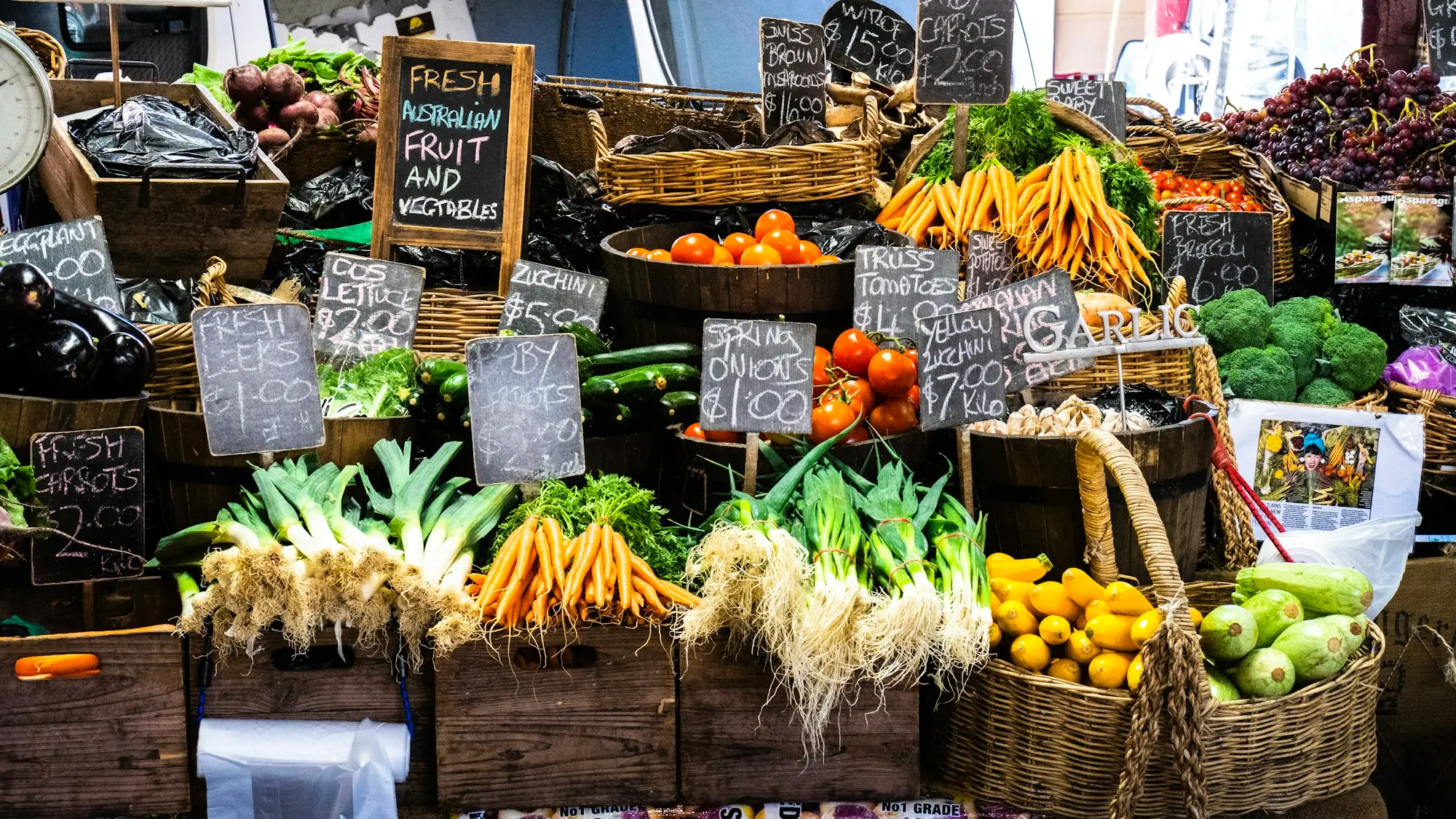
Market stalls are where a lot of great Australian businesses start: handmade soap, sourdough, plants, vintage clothes, hot sauce, jewellery. They’re also businesses that lenders sometimes misread, because stall income can look patchy on paper and much of it used to arrive as cash. The good news is that both of those problems are fixable.
What do stallholders borrow for?
Growing a stall business usually means one or more of these:
- Stock — especially before Christmas markets and big seasonal events
- A better set-up — a sturdier gazebo, weights, display furniture, lighting, signage
- A vehicle — a van or trailer so you’re not doing three trips in the family car
- Card terminals and POS — faster service and cleaner records
- More markets — booking fees for extra markets, often paid in advance
- Production — equipment that lets you make more, faster, at home or in a shared kitchen
Some stalls grow into pop-up shops or permanent retail. If that’s your next move, see pop-up shop funding.
How do lenders read a market stall business?
Mostly through your bank statements. A lender wants to see money coming in regularly and enough left after costs to cover a repayment. That’s where stall businesses sometimes trip up.
| What the lender sees | What it says | How to improve it |
|---|---|---|
| Deposits every weekend | Regular trading, steady demand | Keep going — this is ideal |
| Big gaps between deposits | Irregular trading, or cash not banked | Bank cash weekly into the business account |
| Personal and business mixed together | Hard to tell what the business earns | Open a separate business account |
| Seasonal spikes | Normal for markets | Explain your season upfront |
A stall with a track record can often borrow between $5k and $500k unsecured, with the ceiling set by what flows through the account. Own a home or commercial property? Secured funding of $20k to $5m can suit a bigger leap, like a van and a full season of stock in one go.
Cash takings: why banking them matters
Stallholders who take mostly cash often earn more than their bank statements show. Unfortunately, a lender can only count what they can see. Two simple habits change the picture:
- Bank your cash promptly, ideally after every market, into a dedicated business account.
- Keep a simple daily sales record — what you took, card versus cash, and which market.
These records also help at tax time. If your GST turnover reaches $75,000, the ATO says you need to register for GST within 21 days. Our market stall tax and records guide explains ABNs, GST and record-keeping for stall businesses.
Want to know where you stand? See if you qualify — one minute, no credit enquiry.
Costs stallholders often forget
- Insurance. business.gov.au notes that market organisers typically require insurance, and suggests public liability and product liability cover. Some markets offer packaged insurance, but check it covers set-up and pack-down time.
- Licences and permits. Food stalls need council food approvals, and some local areas need permits for trading or signage. ABLIS, the government’s licence finder, lists what applies to you.
- Fees paid in advance. Popular markets often want booking fees well before the date.
- Wastage and unsold stock. Especially for food and plants.
- Your time. Early starts, pack-downs and the drive home count too.
Illustrative example: from one market to four
A maker of small-batch candles trades at one monthly market and a few Christmas fairs. Demand is strong, and three other markets have offered regular spots. Growing means more wax and jars upfront, a second display set, a small van and booking fees for the new markets — all before the extra sales arrive. Their bank statements show two years of steady deposits after every market. That record makes a modest turnover-based loan realistic, sized so the quieter winter months still work. (Illustrative only.)
Plan your peak season with Part 2 of the truck-stop calculator — it works for stalls too — and see our Christmas market stock page for the busiest time of the year.
Should a stall business buy a van?
For many stallholders, the jump from the family car to a dedicated van is the moment the business gets serious. A van saves trips, protects stock and lets you do two markets in a weekend. It’s also a real cost: purchase, registration, insurance, fuel and parking. Before buying, count how many markets a month you’ll do, how much time you’ll save, and whether the extra markets it makes possible cover the repayment. If the van will also be used privately, keep a logbook, because only the business share counts for tax. Our guide to buying a work van explains GST credits and depreciation.
One more thing: displays sell
Stallholders often spend on stock and skimp on the stall itself. A strong display — good lighting for night markets, clear pricing, height so products can be seen from the aisle — can lift sales from the same stock. It’s one of the cheaper upgrades to fund, and one of the fastest to pay back.
When the stall becomes the business
Lots of stallholders reach a point where the weekend thing is clearly a real business. The funding side should reflect that. Tell us what you sell, where you trade and what you want to fund next. The form’s quicker than setting up a gazebo, there’s no credit check behind it, and your details go to a real person rather than being sprayed to a list of lenders.
Please fill the form in accurately, including your rough annual takings. It helps us match you properly first go.
Frequently asked questions
Can a weekend market stall get a business loan?
Yes, if the business can show regular income. Weekend and part-time stalls are assessed on their bank statements and trading history like other businesses. The clearer your records, the better your chances.
My takings are mostly cash. Is that a problem?
Only if the cash never reaches the bank. Deposit your takings regularly into a business account and keep simple sales records. Lenders need to see the income to count it.
What insurance does a market stall need?
business.gov.au says market organisers typically require insurance and suggests considering public liability and product liability cover. Check that your policy covers set-up and pack-down time.
Do I need an ABN to trade at markets?
Most organisers ask for one, and you'll need an ABN if you're running a business. Our market stall tax guide explains ABNs, GST registration and records.